Are you stuck choosing classroom themes that feel fresh, fun, and functional? Do you wonder if your chosen designs will really engage the kids—or just look good in photos? Are you overwhelmed by all the trendy ideas online but unsure what actually works in real classrooms? Whether you’re designing a preschool space or decorating for elementary students, finding the right classroom themes can feel like navigating a jungle of glitter, bulletin boards, and Pinterest boards.
The right classroom themes do more than decorate a space—they create a powerful emotional and cognitive experience for young learners. Well-thought-out themes promote creativity, support curriculum goals, enhance classroom management, and make both students and teachers excited to walk through the door each day. Choosing themes that align with age, subject matter, and classroom structure can deeply influence how children interact with the space, the teacher, and each other.
With so many possibilities—ranging from jungle adventures and ocean explorations to character-driven designs like Inside Out or Mickey Mouse—it’s easy to get inspired and just as easy to feel overwhelmed. In this guide, you’ll discover not only 30 of the most popular and effective classroom themes in 2025 but also expert insights on how to implement them creatively, match them with appropriate furniture, and truly transform your learning space.
Why Choosing the Right Classroom Themes Matter
Creates a More Engaging Learning Environment
Well-chosen classroom themes immediately capture attention and foster excitement. They turn a regular room into a vibrant learning space that invites children to explore and engage. Instead of staring at plain walls, students are surrounded by visual elements that spark curiosity and imagination. For younger learners, especially in preschool and kindergarten, this engagement leads to better focus, smoother transitions between activities, and a stronger connection to classroom routines.
Support Emotional Development and Creativity
Themes help children emotionally connect to their environment. Whether it’s a calm woodland classroom or an adventurous space-themed setup, the atmosphere affects children’s moods and behaviors. Cozy, colorful, and character-rich environments can reduce anxiety, boost confidence, and encourage self-expression. When students feel safe and inspired, they are more likely to explore new ideas, participate actively, and express themselves through creative play or artwork.
Reinforce Curriculum Through Visual Cues
Thematic classrooms act as visual extensions of the curriculum. A dinosaur-themed room can support lessons on prehistoric life, while a garden-themed setup complements science units about nature and ecosystems. Teachers can embed educational materials directly into the decor—think alphabet leaves on a jungle tree or math facts in outer space designs. This approach helps children absorb knowledge organically through repetition and environmental reinforcement.
Encourage Classroom Community and Belonging
Classroom themes help foster a sense of unity and shared purpose. When students walk into classrooms that feel fun and welcoming, they feel like part of a team. Collaborative decoration projects, like building a class space station or jungle hut, promote teamwork and communication. A unified theme also helps set clear expectations, routines, and behavior standards, making classroom management smoother and more consistent.
How Do I Choose a Theme for My Kindergarten Classroom?
Choosing the right classroom themes for kindergarten requires balancing creativity with practicality. Start by considering the age group’s interests, cognitive level, and classroom layout. Kindergarteners thrive in environments that are bright, imaginative, and consistent—so your themes should reflect those needs.
First, think about your educational goals. Are you focusing on science, language development, social-emotional learning, or sensory exploration? A garden-themed classroom theme might support science learning, while a crayon or rainbow theme could reinforce early literacy and color recognition.
Next, consider the season or school calendar. Many teachers rotate their classroom themes throughout the year—beginning with a nature-based or back-to-school design, transitioning into holidays, and wrapping up with a travel or ocean theme. Rotating seasonal classroom themes can help sustain student interest and tie learning activities to real-world events.
Classroom size and layout also play a role. A theme like “Under the Sea” or “Space Adventure” might work best in open, high-wall classrooms where visuals can dominate. For smaller spaces, try compact, pattern-based classroom themes like “Beehive” or “Garden,” which keep decorations clear but impactful.
Finally, involve your students! Offering two or three theme choices and allowing students to vote gives them a voice in shaping their environment. This promotes ownership, pride, and excitement from day one.
Keep in mind that your classroom themes should not only appeal to students but also support your teaching process. Choose decorations, visuals, and colors that help define areas of the classroom, guide behavior, and reinforce daily routines. A good classroom theme works with you—not against you.
30 Trending Preschool Classroom Themes
1. Steven Universe Themed Classroom Ideas
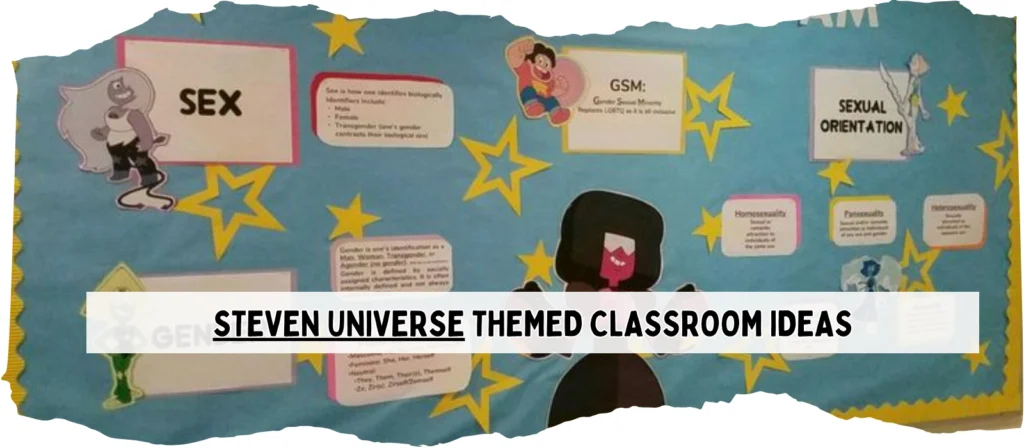
Bring magic and creativity into your preschool with a Steven Universe themed classroom. This animated series emphasizes emotional intelligence, friendship, and teamwork—all perfect values for early learners. Decorate walls with pastel colors and gem-inspired shapes. Include star motifs, character art, and inspiring quotes like “Believe in Steven.”
To tie in education, color-sorting activities can use gem symbols, while dramatic play areas can replicate scenes from Beach City. A cozy reading nook inspired by Garnet’s calm demeanor or Steven’s room helps promote literacy in a comforting space.
Use soft cushions, rainbow rugs, and posters that match the show’s vibrant and inclusive tone. Choose furniture in muted pinks, blues, and purples to reflect the show’s signature palette. This theme not only entertains—it also builds emotional literacy and social connection.
2. Disney Themed Classroom
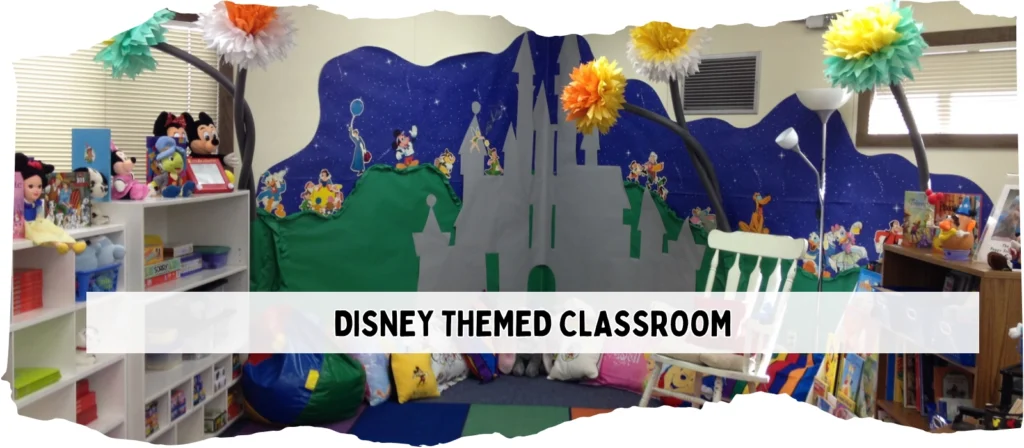
Disney classroom themes are timeless for a reason—they’re packed with color, characters, and magic. Depending on your focus, you can go all-in on a specific movie like Frozen or Moana, or create a Disney mash-up by assigning different movies to different classroom zones (reading = Beauty and the Beast, science = Big Hero 6, etc.).
Integrate classroom rules using Disney characters (e.g., “Be Brave Like Mulan” or “Be Kind Like Olaf”) to reinforce behavior in a way kids understand and love. Add character standees, star-shaped bulletin boards, and DIY castle decor.
For furniture, choose bold primary colors or Mickey Mouse–style shapes. Soft seating with Disney prints can boost comfort and visual interest. This theme is versatile and allows for year-long updates based on holidays or new movie releases.
3. Inside Out Classroom Theme
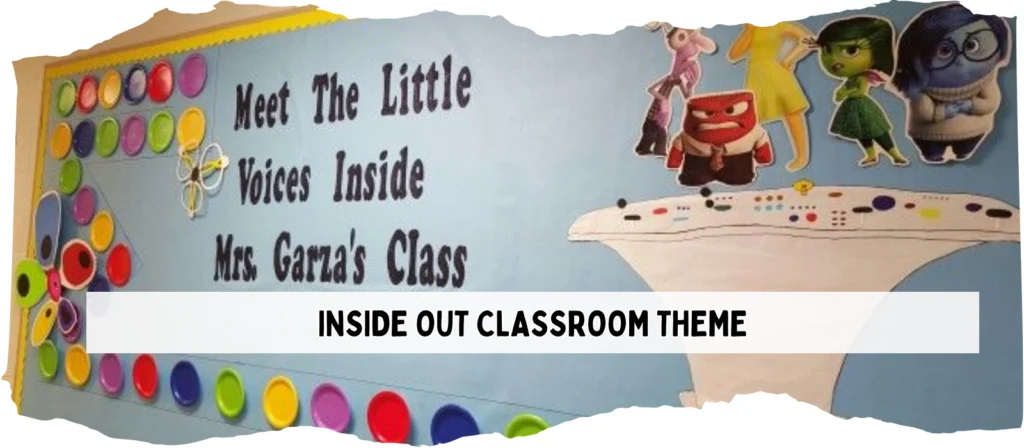
Bring Pixar’s “Inside Out” to life in your classroom by exploring emotions in a colorful, relatable way. This theme centers around the five core emotions—Joy, Sadness, Anger, Fear, and Disgust—each represented by a vibrant character. These characters can be used to guide classroom zones, reinforce social-emotional learning, and help children articulate their feelings.
Create interactive mood meters using character icons so students can check in with how they’re feeling each morning. Decorate the classroom with bright yellows (Joy), calm blues (Sadness), reds (Anger), purples (Fear), and greens (Disgust). You can assign each area of the classroom a different emotion zone: Joy for the reading corner, Sadness for the quiet time zone, etc.
Incorporate circle time discussions or journaling prompts that ask children to share what made them feel certain emotions, using the Inside Out characters as guides. This helps normalize emotional expression and promotes empathy in a safe and playful environment. Use furniture in matching color zones and add cushions, posters, and wall decals that align with the visual style of the movie.
4. Mickey Mouse Classroom Theme
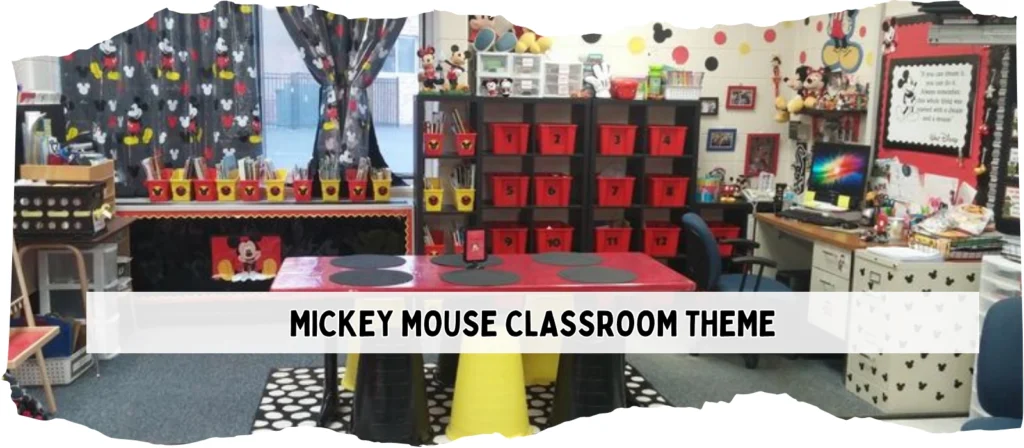
A Mickey Mouse classroom theme brings joy, bold colors, and classic charm into any early learning environment. With its iconic red, yellow, black, and white color scheme, this classroom theme is instantly recognizable and energizing for preschoolers. Start with large Mickey Mouse ears on bulletin boards, entryways, and seating labels.
Incorporate themed zones like “Mickey’s Reading Corner” or “Goofy’s Group Time.” Use alphabet and number posters with Disney characters to support early literacy and math. Even storage bins, cubby tags, and reward charts can be designed around the Mickey and Friends universe.
Furniture in this theme should highlight strong color contrasts—black chairs with red desks, or yellow storage with polka dot seat cushions. Include large cutouts or plush toys of Mickey, Minnie, Donald, and Pluto to bring the whole theme together. This classroom theme combines familiarity, fun, and structure to help students feel both excited and secure in their learning space.
5. Winnie the Pooh Classroom Theme
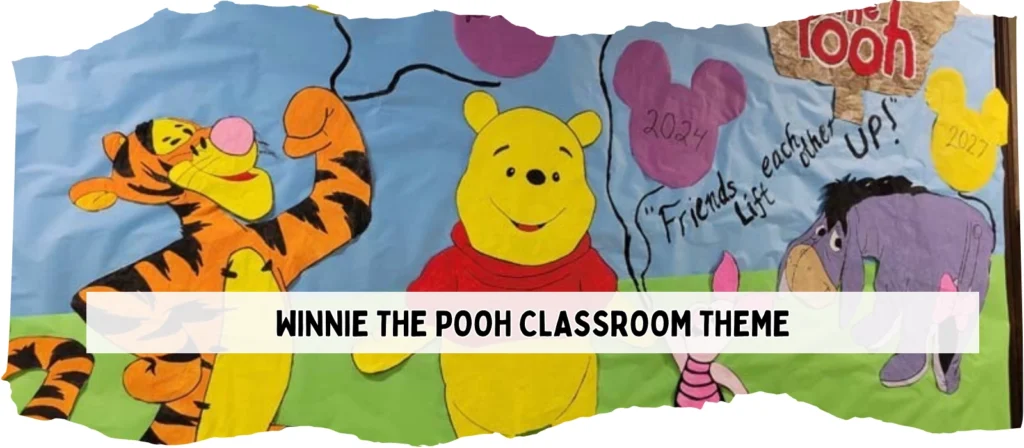
A Winnie the Pooh classroom theme creates a warm, gentle, and imaginative environment for preschoolers. Centered around the Hundred Acre Wood, this theme encourages kindness, exploration, and literacy. Incorporate characters like Pooh, Piglet, Tigger, and Eeyore across wall art, story areas, and learning stations.
Use honey pot cutouts for labels, quotes like “You’re braver than you believe…” for positive reinforcement, and tree-themed furniture to recreate a nature-filled space. A cozy reading area can become “Pooh’s Thinking Spot,” inviting children to relax with a book under paper trees and soft lighting.
Color palettes for this classroom theme should be earthy—browns, yellows, soft greens, and warm reds. Furniture can reflect the storybook’s rustic charm with wooden textures, leaf-shaped cushions, and whimsical wall decals. Integrate nature-based activities like leaf rubbings or bug hunts to extend the learning beyond décor. This theme is ideal for fostering calmness, storytelling, and a love for learning.
6. Snoopy Classroom Theme
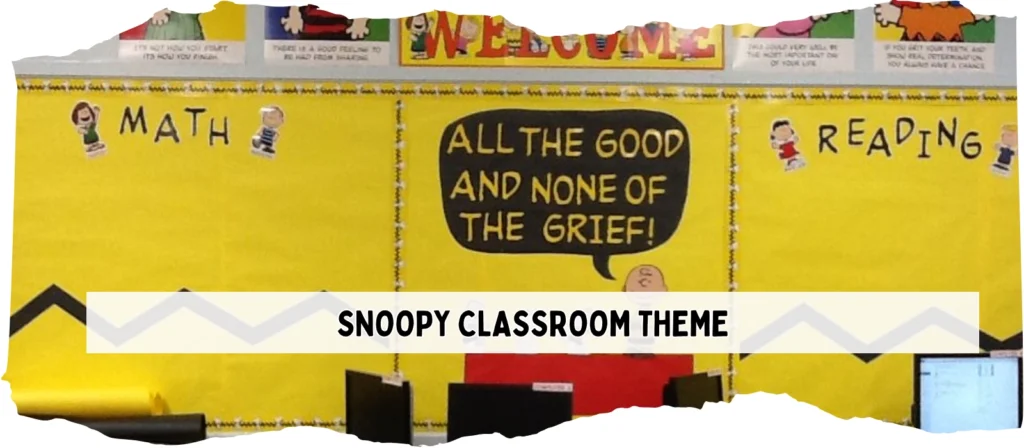
A Snoopy classroom theme is a nostalgic and universally loved option that brings timeless charm to your classroom. Based on the Peanuts comic strip, this theme is ideal for building a sense of humor, friendship, and imagination among students. Use iconic characters like Charlie Brown, Lucy, Linus, and, of course, Snoopy himself, across your wall decals, bulletin boards, and reading zones.
Incorporate a “Snoopy’s Doghouse” cozy corner using cardboard props or soft seating for reading and quiet time. Design your morning circle time as “Peanuts Circle,” where each day begins with student updates and a cheerful quote from the comics. This playful format makes routines more enjoyable and familiar.
The color scheme can lean into soft blues, whites, and warm reds. Desk tags shaped like dog bones or speech bubbles add a fun twist. Classroom themes like this can also include kindness walls inspired by Snoopy’s caring nature or writing prompts using comic strip panels.
This classroom theme fosters social-emotional learning while keeping the classroom light-hearted and creatively inspiring for both teachers and students.
7. Candyland Themed Classroom
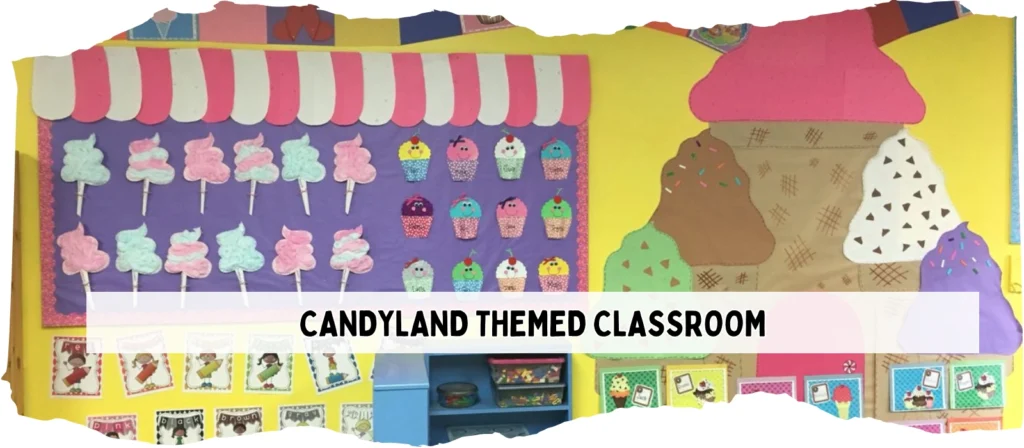
A Candyland themed classroom is a sweet and whimsical choice that captivates young learners through vibrant visuals and imaginative play. Inspired by the classic board game, this classroom theme transforms your space into a colorful journey through lollipop forests, chocolate mountains, and gumdrop trails. It’s perfect for preschoolers who thrive on visual stimuli and love fantasy-driven learning environments.
Decorate walls with oversized candy decals, rainbow stripes, and signs that mimic Candyland game cards. Label classroom centers as “Licorice Learning Lab,” “Gumdrop Group Table,” or “Marshmallow Math Station.” These playful names reinforce classroom routines while sparking curiosity and engagement.
The color scheme should be bright and cheerful—think bold pinks, purples, yellows, and turquoises. Use pastel-colored rugs, candy-shaped cushions, and striped storage bins to tie everything together. Interactive bulletin boards can feature candy rewards for good behavior or academic milestones.
Furniture should be both colorful and functional. Round tables in fun hues, sprinkle-printed seat covers, and storage carts labeled with sweet themes make the environment cohesive. This classroom theme supports creative play, language development, and social bonding—plus, it makes every day feel like a treat!
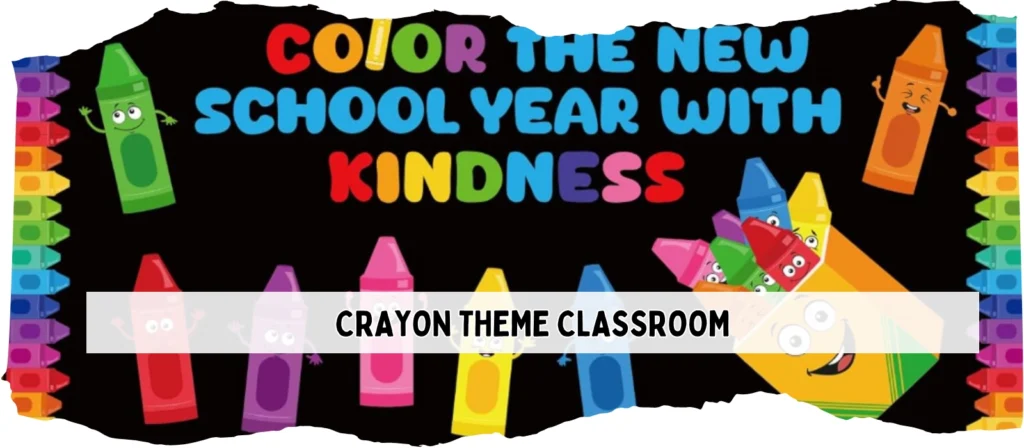
8. Crayon Theme Classroom
A crayon theme classroom is a celebration of color, creativity, and self-expression—an ideal classroom theme for preschool and kindergarten environments. This theme introduces children to color theory, drawing, labeling, and early literacy through one of their favorite tools: crayons!
Begin with a giant crayon color wheel on the wall and bright crayon cutouts for labeling desks, cubbies, and supply bins. Bulletin boards can feature rotating themes like “Our Color of the Week” or “Crayon Creations,” encouraging student participation and visual learning. Rainbow rugs and primary-colored furniture help tie the space together.
Classroom themes based on crayons allow teachers to divide the space into color-coded zones: a blue reading corner, a red math station, and a green creative center. These zones not only aid navigation but reinforce learning objectives tied to color recognition and organization.
Use classroom themes like this to celebrate student diversity too. Display student-drawn self-portraits in various skin tones using multicultural crayons. Incorporate activities such as mixing paints, sorting colors, and identifying shades to deepen understanding.
This classroom theme is affordable, accessible, and flexible—making it one of the most enduring classroom themes used across early education settings.
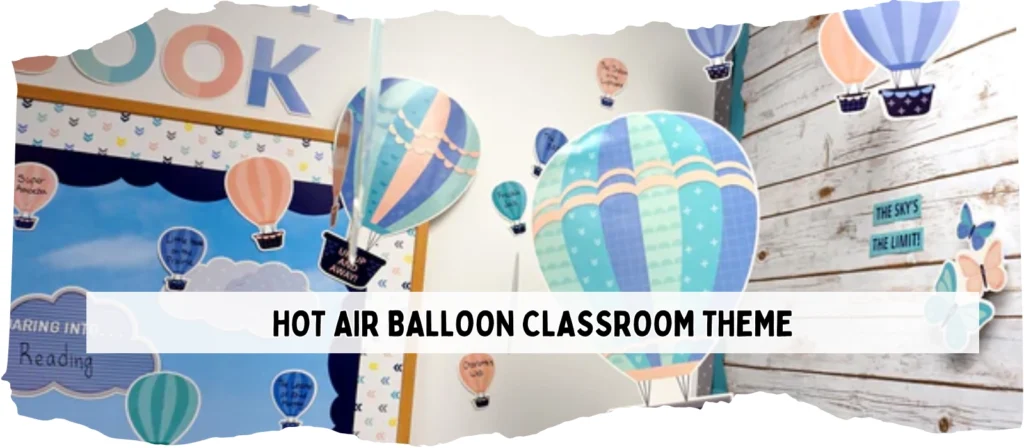
9. Hot Air Balloon Classroom Theme
A hot air balloon classroom theme lifts learning to new heights—literally and figuratively. This uplifting and adventurous concept inspires children to imagine new perspectives, reach higher, and dream big. As one of the most versatile classroom themes, it can easily be integrated with science units on weather and flight, geography, or social-emotional growth themes like goal setting and confidence.
Start by transforming ceilings and wall corners with hanging balloon models or paper lanterns decorated as hot air balloons. Create a “Lift Off to Literacy” reading area and a “Sky High Math Station” to link classroom themes with curriculum goals. Bulletin boards can feature floating balloons labeled with student names, academic milestones, or classroom rules.
The color palette for this classroom theme is bright and airy—think sky blue, cloud white, soft yellows, and pops of red and orange. Incorporate motivational quotes like “The Sky is the Limit!” to add inspiration to your décor. Classroom furniture can include cloud-shaped seating cushions, sky-printed rugs, and themed storage.
Hot air balloon classroom themes are also great for tracking progress. Use balloon charts where each student’s goal rises higher each week. This classroom theme promotes motivation, visual learning, and a sense of adventure that turns everyday lessons into exciting journeys.
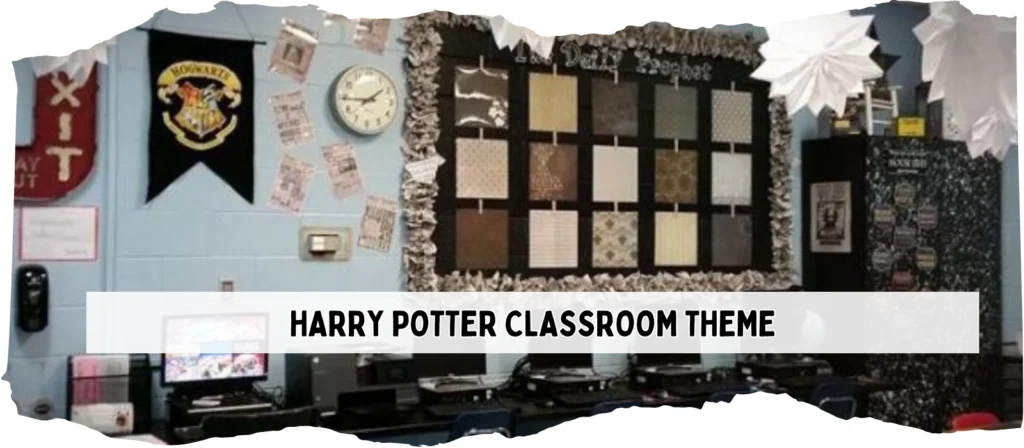
10. Harry Potter Classroom Theme
A Harry Potter classroom theme brings the magic of Hogwarts into your learning space, enchanting students and turning your classroom into a spellbinding environment. Among the most immersive and adventurous classroom themes available, this concept transforms routine learning into an unforgettable experience filled with imagination, literature, and problem-solving.
Sort students into Hogwarts-style “houses” and use those house teams to encourage participation, reward positive behavior, and organize group activities. Each house can decorate its area with banners, colors, and symbols, reinforcing unity and collaboration. Decorate walls with floating candles, enchanted bookshelves, and potion bottles, and rename subject areas to align with the wizarding world—like “Transfiguration Table” for arts and crafts or “Defense Against the Dull” for reading.
The color palette for this classroom theme should echo the house colors—red, green, blue, and yellow—with rustic, magical accents like brick prints, candles, and wood textures. Teachers can even dress in wizard robes during storytime to fully embrace the classroom theme and captivate student attention.
Harry Potter classroom themes work well across subject areas. Use spells as classroom rules, assign magical creature names to reading groups, or let students create wands for a creative writing unit. Among fantasy-based classroom themes, this one delivers endless possibilities for engagement, making it a perennial favorite in both preschool and elementary classrooms.
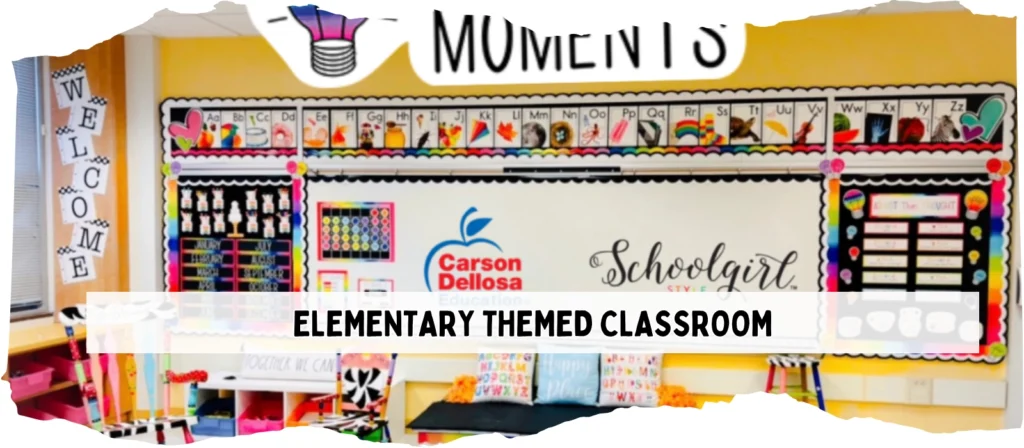
11. Elementary Themed Classroom
An elementary-themed classroom is designed specifically to support the unique developmental needs of young learners in the early primary grades. Unlike concept-heavy or character-based classroom themes, this theme emphasizes foundational learning areas such as reading, writing, math, and social development—framed within a cohesive, age-appropriate environment.
Choose a color scheme that balances calm with stimulation—like pastel blues, soft yellows, or sage greens. Wall decor might include alphabet charts, number lines, growth mindset posters, and behavior encouragement tools. Zones can be clearly marked: a “Reading Road,” “Math Meadow,” or “Friendship Circle” to help young children navigate the room and develop routines.
This classroom theme focuses on clarity and consistency. Storage is labeled clearly, desks are arranged for interaction and group work, and visuals reinforce basic academic skills. You can still incorporate creativity—perhaps a rotating theme board for seasonal topics or units of inquiry—but the overall layout remains intentionally simple to reduce overstimulation.
An elementary classroom theme is ideal for building early independence and responsibility. It sets the tone for structured exploration, laying the groundwork for academic confidence that will grow with each school year.
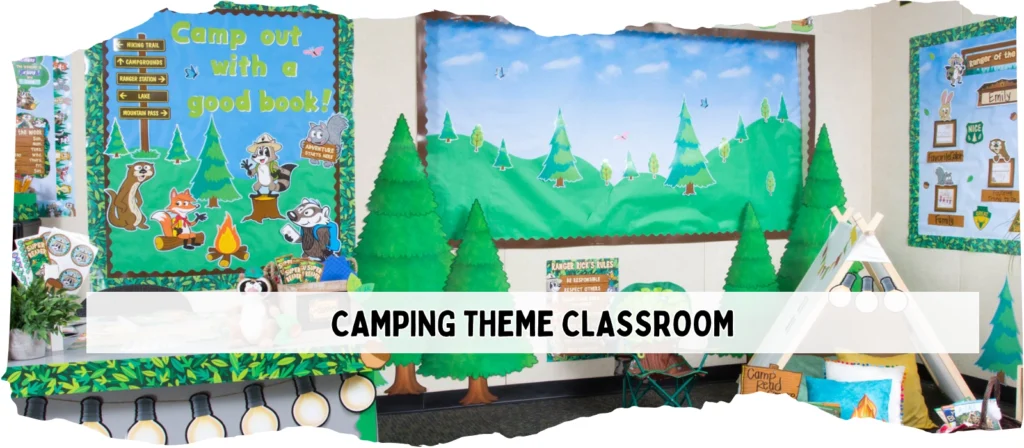
12. Camping Theme Classroom
A camping theme classroom invites students into a world of exploration, nature, and hands-on learning. As one of the most popular classroom themes among early educators, this design transforms a basic classroom into an imaginative outdoor campsite where children can feel adventurous, engaged, and calm.
Decorate the space with faux trees, a paper campfire, lantern lights, and tent-inspired reading nooks. Classroom zones can be renamed to match the outdoorsy theme—like “Trail Mix Math Station,” “Storytime Tent,” or “Explorer’s Science Lab.” Bulletin boards shaped like hiking trails or backpacks can display student work, achievements, or classroom rules.
Stick to earthy tones like green, brown, tan, and sky blue, and incorporate natural materials in the furniture or displays, such as wooden crates for book bins or burlap borders. Incorporating nature-themed elements such as animal tracks, pinecones, and forest maps supports sensory exploration and curiosity.
Camping classroom themes also pair beautifully with lessons on environmental science, survival skills, teamwork, and responsibility. Introduce daily “camp jobs” like fire keeper, trail guide, or nature scout to encourage student participation and build classroom community. Whether used year-round or as a seasonal refresh, camping themes create immersive, calming, and highly effective classroom themes for preschool and elementary learners.
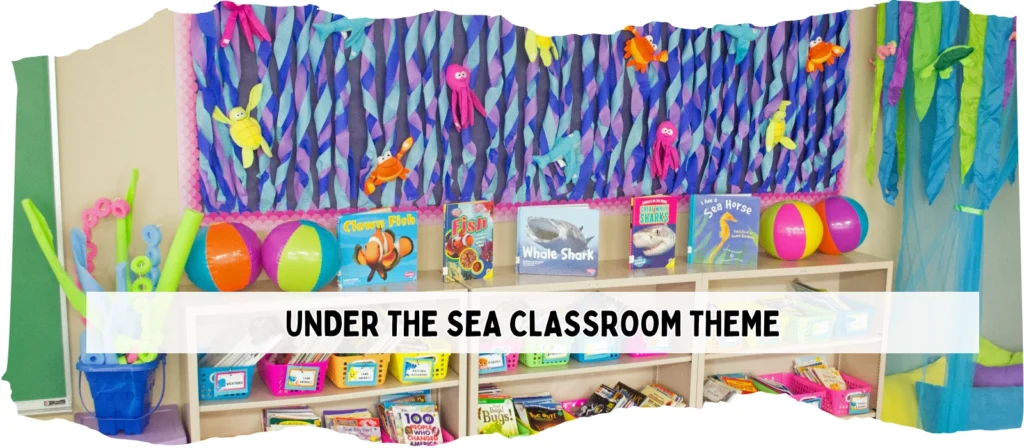
13. Under the Sea Classroom Theme / Ocean Themed Classroom
An Under the Sea classroom theme or Ocean themed classroom transforms your learning environment into an underwater world of color, discovery, and imagination. These immersive classroom themes are ideal for preschool and early elementary learners, drawing their attention with vibrant visuals while supporting topics like marine biology, environmental awareness, and sensory exploration.
Start by wrapping the room in ocean blues, using flowing fabric or wallpaper to mimic water movement. Accent walls with bubble decals, coral reef cutouts, and laminated sea creatures. Hang floating jellyfish crafted from paper lanterns and crepe streamers to give your classroom theme visual depth and dynamic motion.
Designate different zones with thematic names—like “Reading Reef,” “Math Marina,” “Science Shore,” and “Creativity Cove”—to integrate your under the sea classroom theme into daily learning routines. This method keeps students engaged while reinforcing familiarity with the classroom layout.
Use sea-toned furniture—teal chairs, navy rugs, and light blue tables—to match the aesthetic. Bulletin boards can feature ocean life art projects, habitat diagrams, or ocean conservation facts. This ocean themed classroom isn’t just visually stunning—it serves as a foundation for cross-disciplinary lessons, from water cycles to storytelling.
Introduce classroom jobs such as “Tide Tracker,” “Coral Keeper,” or “Plastic Patrol” to build student ownership while linking to eco-responsibility. Among all classroom themes, an Under the Sea classroom theme offers an excellent blend of visual engagement and meaningful learning content, making it one of the most effective ocean themed classroom styles in modern education.
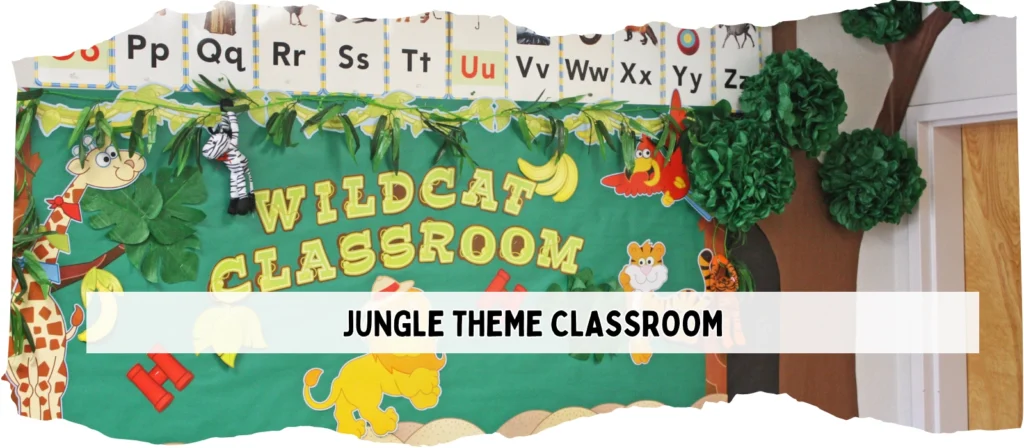
14. Jungle Theme Classroom
A jungle theme classroom immerses students in a lush, vibrant world of discovery, ideal for early learners who thrive on sensory exploration and adventure. This engaging environment—one of the most widely embraced classroom themes—can integrate science, literacy, and movement through nature-inspired activities.
Decorate with leafy vines, paper monkeys, safari animals, and tropical flowers to transform the space. Themed zones like “Rainforest Reading Nook,” “Wild Math Safari,” or “Explorer Writing Camp” add immersive structure to daily routines. Classroom themes like this benefit from dynamic textures, earthy tones, and animal prints.
The jungle theme classroom can also promote lessons about biodiversity, ecosystems, and geography. Pair classroom decor with real-world content like rainforest preservation or animal classification. Furniture with wood finishes, leaf-print cushions, and floor mats shaped like jungle paths can bring this classroom theme to life.
Assign roles such as “Trail Guide,” “Animal Tracker,” or “Canopy Keeper” to reinforce responsibility while engaging students in their surroundings. A jungle theme classroom provides constant inspiration and energy, making it one of the most flexible and adventurous classroom themes available.
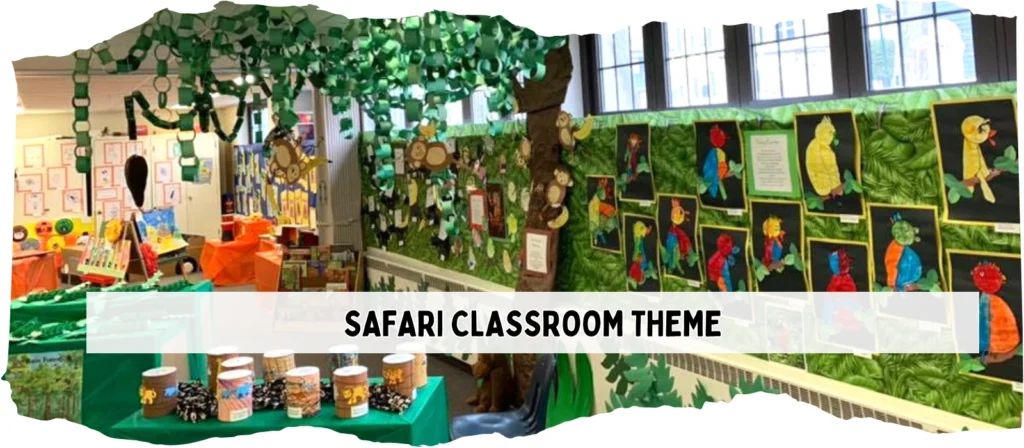
15. Safari Classroom Theme
A safari classroom theme offers a thrilling and educational journey into the wild savannas of Africa, ideal for sparking student imagination and curiosity. As one of the most engaging nature-inspired classroom themes, it encourages exploration, cultural awareness, and cross-curricular integration.
Transform your classroom into a safari expedition site using animal-print fabrics, faux grass carpets, and themed props like binoculars, safari hats, and wooden crates. Zone your space into themed areas such as “Savanna Storytime,” “Math Migration Station,” or “Wildlife Wonders Science Center” to reinforce learning objectives through the classroom theme.
The safari classroom theme pairs well with earth-tone furniture, natural textures, and hand-crafted elements like paper mache animals or animal footprint paths. Integrate learning about African geography, native animals, and conservation efforts to support science and social studies topics.
Introduce classroom roles like “Ranger,” “Tracker,” and “Nature Watcher” to promote classroom responsibility. Bulletin boards can feature maps, animal fact sheets, or photos from virtual field trips. This classroom theme supports a global mindset while keeping the atmosphere fun and deeply engaging.
Among all classroom themes, a safari classroom theme stands out for its balance of structured creativity and real-world connections. It’s especially effective in kindergartens and early elementary classrooms where movement, imagination, and visual cues enhance daily instruction.
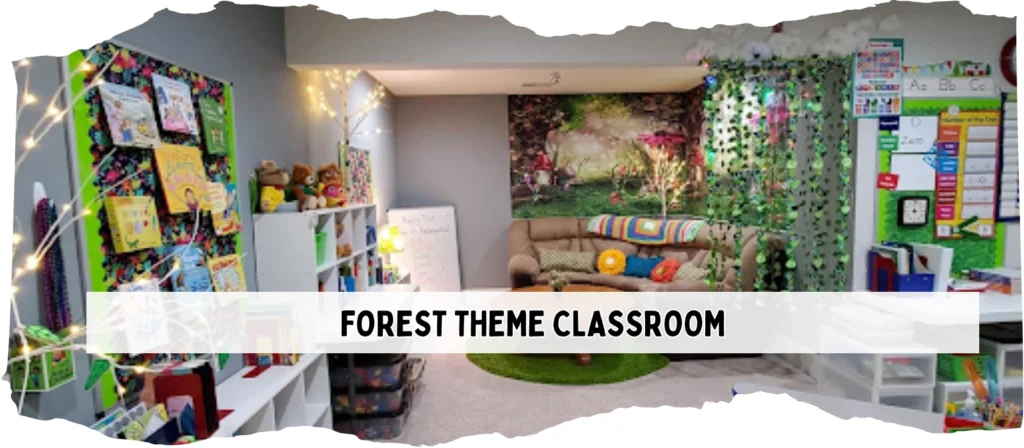
16. Forest Theme Classroom
A forest theme classroom brings the tranquility and richness of woodland environments into your learning space, making it one of the most grounding and visually appealing classroom themes. This nature-based approach helps create a peaceful setting while encouraging discovery, environmental stewardship, and imaginative thinking.
Decorate your room with tree silhouettes, paper leaves, forest animals like owls, foxes, and deer, and woodland trails to guide students around the classroom. Zones can include names like “Critter Corner” for reading, “Treehouse Think Tank” for writing, and “Mossy Math Grove” for math activities. These names help maintain a consistent and immersive forest theme classroom experience.
Incorporate natural colors such as moss green, bark brown, and soft grays. Consider using wood-patterned floor mats, leaf-shaped seating cushions, and log-style stools to enhance the classroom theme’s authenticity. Soft lighting and calming nature sounds can further elevate the sensory experience and improve classroom focus.
Classroom themes like the forest style are especially effective for social-emotional learning and mindfulness routines. Morning circles held under a paper canopy or classroom rules displayed on a tree trunk mural bring warmth and structure to the day. Include student-made forest creatures or seasonal trees to personalize the environment and foster ownership.
Among calming and eco-friendly classroom themes, the forest theme classroom provides a serene foundation for academic and emotional growth.
17. Nature Themed Classroom
A nature themed classroom combines all the elements of the great outdoors—trees, sky, animals, plants, and natural textures—into one holistic classroom theme that promotes peace, exploration, and curiosity. It’s one of the most versatile and widely embraced classroom themes, ideal for children of all ages.
Design your classroom around key nature motifs: clouds, sun, leaves, rocks, streams, or birds. Use real or faux plants, nature photography, wooden furniture, and color palettes drawn from natural settings—like moss green, stone gray, and sky blue. These choices will ensure that the nature themed classroom environment is not only calming but also deeply engaging.
Classroom zones can take on names like “Sky Writing Station,” “Leaf Lab,” or “Roots Reading Nook.” This makes transitions smoother and reinforces thematic learning. Include textures like burlap, woven baskets, and reclaimed wood, which work well in earthy classroom themes and support sensory development.
Nature themed classroom designs are especially compatible with STEAM education. You can integrate lessons about the weather, plant life cycles, or renewable energy, all while maintaining a beautiful and inspiring space. Don’t forget to highlight sustainability: reuse materials and involve students in creating recycled decorations.
With its balance of aesthetics and educational opportunity, a nature themed classroom ranks among the most effective classroom themes for fostering both academic growth and environmental awareness.
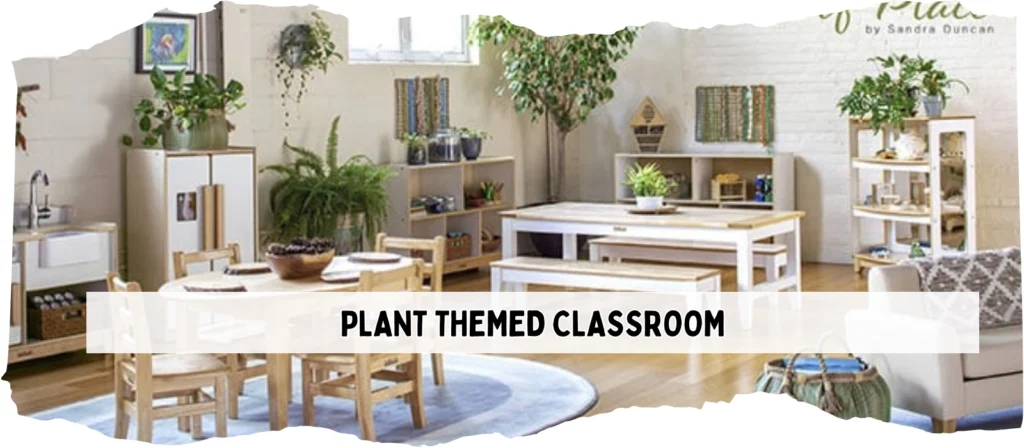
18. Plant Themed Classroom
A plant themed classroom is a vibrant and educational variation of nature-based classroom themes, focusing on greenery, growth, and the life cycle of plants. This design promotes environmental appreciation, responsibility, and a calming atmosphere that enhances learning.
Use real plants like succulents, ferns, or classroom-friendly herbs to teach students about plant care, photosynthesis, and sustainability. Faux vines, leaf garlands, and floral prints can add to the immersive effect without high maintenance. Label different zones as “Sprout Station” for writing, “Sunshine Science Corner,” or “Growth Garden” for art and crafts.
Earthy green tones, light wood textures, and terracotta accents help tie the whole classroom theme together. Add posters of plant anatomy, time-lapse videos of seed germination, and growth charts that track student progress metaphorically—just like a plant’s journey.
This classroom theme is also ideal for incorporating social-emotional learning. Teach students mindfulness through plant observation or quiet reading time in the “Greenhouse Nook.” Assign daily roles like “Watering Leader” or “Soil Checker” to build responsibility and pride.
Among classroom themes that emphasize care, growth, and environmental science, a plant themed classroom provides not just beauty but deep educational purpose.
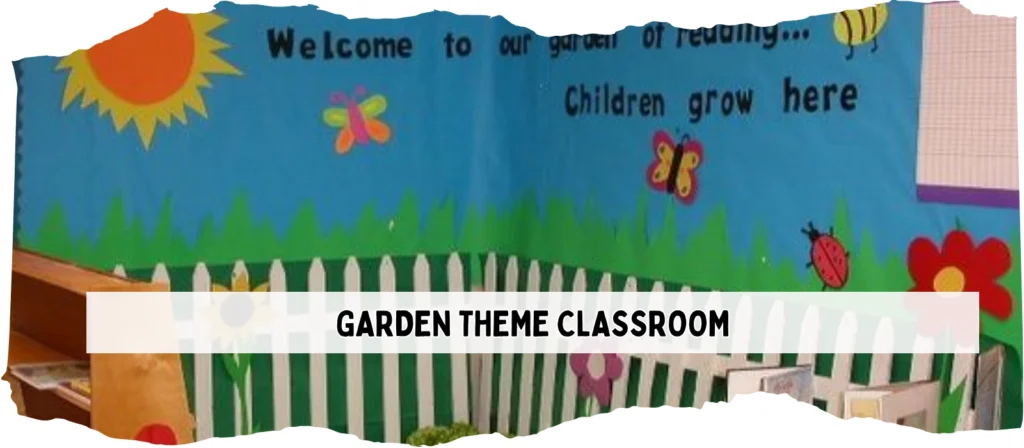
19. Garden Theme Classroom
A garden theme classroom brings blooming creativity and hands-on learning together, making it a joyful and enriching addition to the most effective classroom themes. This style blends visual beauty, life science exploration, and interactive activities that support both academic and social-emotional development.
Design your space with flower borders, picket fence cutouts, paper butterflies, and buzzing bees. Zones like “Garden Reading Patch,” “Flower Pot Phonics,” and “Bug Count Math Area” can make everyday learning feel like a natural extension of outdoor play. This classroom theme is particularly effective in preschool and early elementary settings.
Use pastel and botanical tones like lavender, rose, mint, and soft yellow to evoke a blooming garden. Furniture in light wood or white finishes complements this aesthetic, while floral print cushions and nature-themed bulletin boards make the classroom theme visually cohesive.
Encourage students to grow real plants in class, teaching responsibility and patience. Integrate science lessons on pollination, composting, and plant cycles. Include garden jobs like “Petal Picker” (for book returns), “Compost Captain,” or “Water Monitor” to help build classroom community.
Among classroom themes that combine beauty, life science, and interactive learning, the garden theme classroom stands out for its potential to turn any space into a vibrant, living environment of growth.
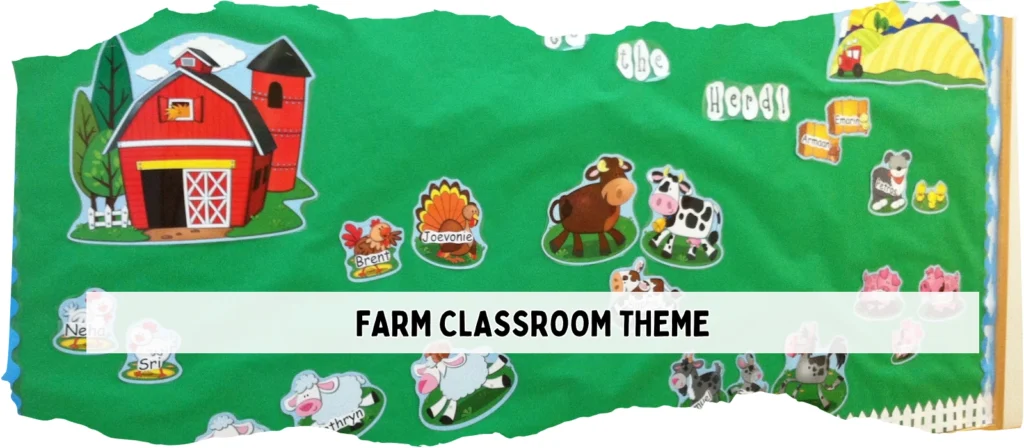
20. Farm Classroom Theme
A farm classroom theme brings rural charm and agricultural education to life, making it one of the most down-to-earth and interactive classroom themes for young learners. This theme taps into students’ curiosity about animals, food sources, and nature, creating a vibrant and hands-on learning environment.
Decorate with hay bale props, red barn cutouts, silo shapes, and animal posters featuring cows, chickens, pigs, and sheep. Classroom zones can be renamed “Barnyard Bookshelf,” “Crop Row Counting,” or “Chicken Coop Craft Corner.” This playful naming reinforces the farm classroom theme and keeps learning fun and structured.
Use a color palette with bright reds, barn wood browns, sunflower yellows, and grassy greens to simulate the open-air charm of the countryside. Wood-textured bulletin boards and gingham fabric can elevate the décor, while plush animal toys and mini gardening tools add texture and depth.
This classroom theme easily supports lessons in science (life cycles, farming, nutrition), math (counting animals, measuring crops), and literacy (storytelling through farm life). Assign roles such as “Farmer of the Day,” “Animal Feeder,” or “Field Monitor” to promote responsibility and teamwork.
Farm classroom themes are a great fit for preschool and early elementary students, offering countless ways to bring real-world concepts into the classroom through thematic decor, activities, and role-play.
21. Woodland Classroom Theme
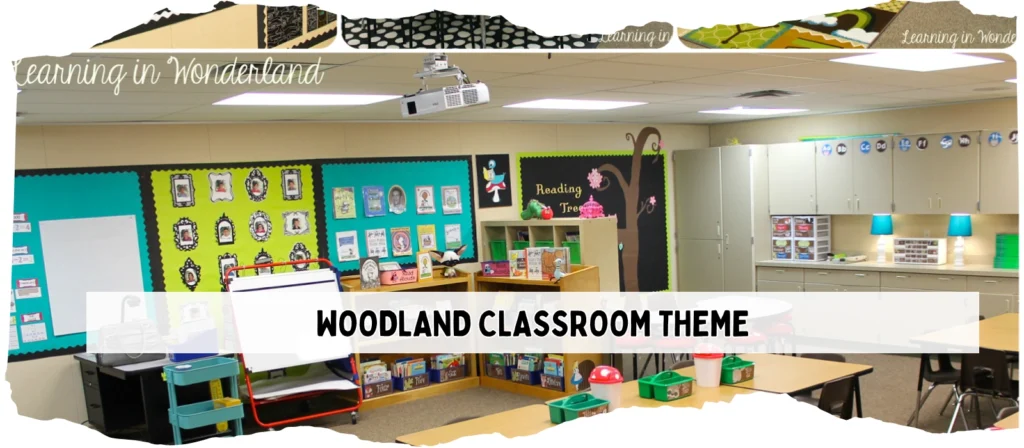
A woodland classroom theme captures the enchantment and coziness of the forest while nurturing curiosity, calmness, and connection to nature. As one of the most calming and whimsical classroom themes, it’s especially suitable for early childhood and lower elementary settings.
Incorporate woodland creatures such as foxes, owls, squirrels, and bears, and decorate with felt leaves, tree trunks made of paper rolls, mushroom stools, and fairy lights. Create zones with names like “Fox Den Reading Area,” “Squirrel Sorting Station,” and “Owl Observation Lab.” These details bring the woodland classroom theme to life and support spatial organization.
Colors like pine green, soft browns, beige, and deep red help convey the natural and earthy mood of the forest. Furnishings with rustic wood textures and nature-themed prints (leaves, bark, moss) blend beautifully with woodland classroom themes.
This classroom theme encourages storytelling, environmental lessons, and social-emotional discussions around kindness, stewardship, and curiosity. Use storybooks about woodland adventures, role-play animal behaviors, and create seasonal decor to teach cycles of life and change.
Woodland classroom themes offer an inviting and holistic learning environment. Their soft tones and nature-inspired elements help lower stress, increase focus, and spark young imaginations—making them a smart and soothing choice for classroom themes.
22. Beehive Themed Classroom
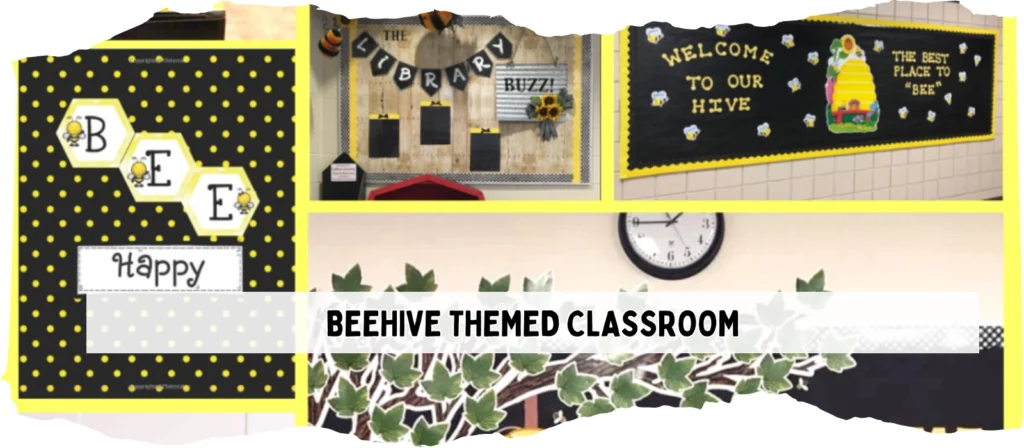
A beehive themed classroom buzzes with energy, teamwork, and productivity—mirroring the natural world of bees and their collaborative spirit. Among classroom themes designed to emphasize community and structure, the beehive is both symbolic and functional.
Decorate your room in cheerful yellows, blacks, and honey tones. Use hexagonal shapes throughout your classroom theme—on bulletin boards, table labels, and wall art—to reflect the iconic honeycomb structure. Zones can be renamed “Queen Bee’s Reading Hive,” “Honeycomb Math Zone,” or “Pollinator Project Lab.”
Incorporate visuals of bees, flowers, jars of honey, and beekeeping tools. Add bee-themed banners with motivational phrases like “Bee Kind,” “Bee Respectful,” or “Bee a Leader” to promote classroom expectations through thematic language.
The beehive classroom theme can also support science and environmental topics, such as pollination, ecosystems, and food chains. Assign roles like “Worker Bee,” “Pollen Collector,” and “Honey Guardian” to help manage classroom duties while reinforcing the collective spirit of the hive.
Buzzing with creativity and educational value, the beehive themed classroom is an excellent choice among classroom themes for teachers who want to instill responsibility, teamwork, and a sense of belonging.
23. Sunflower Classroom Theme
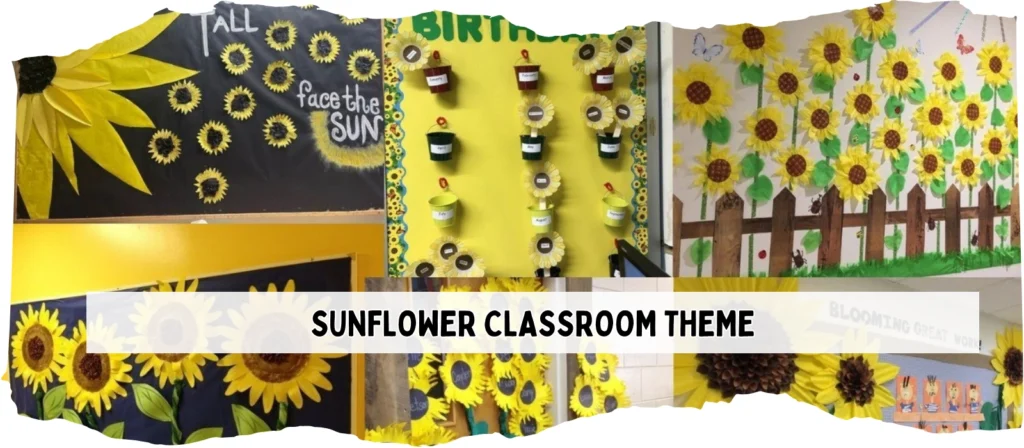
A sunflower classroom theme radiates positivity, growth, and happiness, making it a standout choice among vibrant and emotionally uplifting classroom themes. With its strong visual identity and symbolic representation of light and learning, this theme is particularly popular in kindergarten and early elementary settings.
Decorate your classroom with oversized sunflower cutouts, yellow paper lanterns, and bulletin board borders inspired by sunflower petals. Combine this with blue sky backdrops, fluffy cloud shapes, and sun imagery to create a bright and welcoming classroom theme that reflects warmth and energy.
Use classroom zones like “Sunny Storytime,” “Petal Power Math,” and “Seedling Science Lab” to reinforce the sunflower classroom theme while encouraging subject engagement. Yellow and green are the primary color palette choices, often paired with rustic accents like burlap, wooden signs, and galvanized metal containers for supply organization.
This classroom theme provides an excellent opportunity to teach about plant growth, solar energy, and emotional resilience. Assign roles such as “Sunshine Helper,” “Garden Waterer,” and “Seed Monitor” to help students stay engaged and connected to the natural metaphor of growth.
As far as classroom themes go, the sunflower classroom theme is ideal for educators who want to bring joy, inspiration, and educational alignment into one cohesive visual and conceptual experience.
24. July Theme Classroom
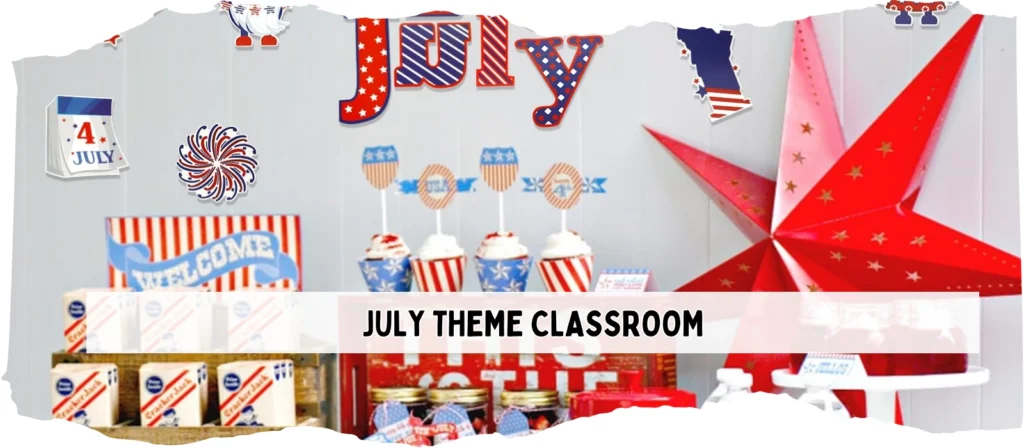
A July theme classroom captures the energy of summer and patriotic pride, making it a festive and seasonally relevant option among classroom themes. This theme is often centered around Independence Day, summer learning programs, and outdoor-inspired activities, combining celebration with curriculum in meaningful ways.
Incorporate red, white, and blue elements throughout your classroom. Use star garlands, flag bunting, fireworks cutouts, and sunshine visuals to give the space a warm, energetic vibe. Set up zones such as “Freedom Reading Fort,” “Stars & Stripes Math Station,” or “Firework Science Lab” to make subject areas pop while staying on theme.
The July classroom theme works particularly well for summer schools, enrichment camps, or the first week of the academic year. Decor can include pinwheels, picnic tablecloths, watermelon patterns, and sunshine cutouts, reinforcing a summertime atmosphere while still supporting classroom routines.
You can use this classroom theme to teach students about national holidays, symbols of freedom, and seasonal science concepts like heat, weather patterns, or insect cycles. Assign fun responsibilities like “Flag Raiser,” “Sunshine Greeter,” or “Firecracker Fact Finder” to integrate participation with theme-based values.
Among classroom themes that bring a burst of color and patriotic excitement, the July theme classroom helps foster cultural understanding, school spirit, and summer enthusiasm all in one cheerful package.
25. Butterfly Classroom Theme
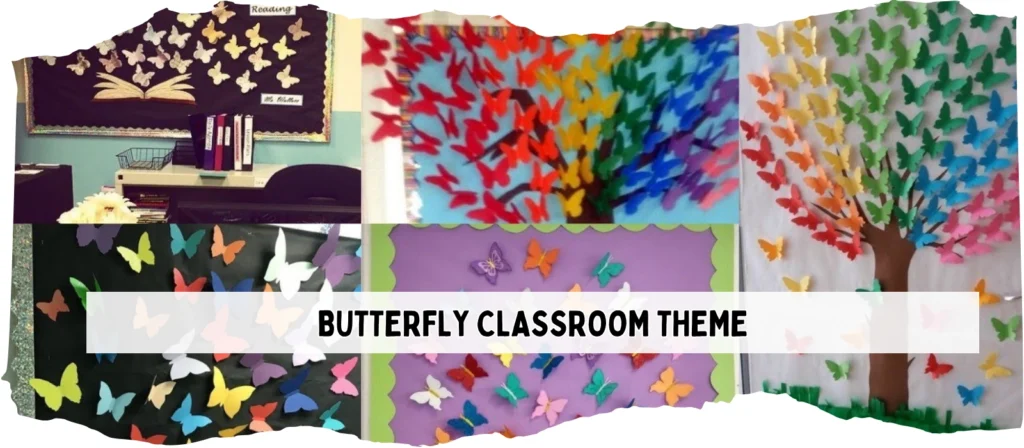
A butterfly classroom theme represents transformation, growth, and beauty—making it one of the most visually enchanting and symbolically rich classroom themes. This theme is perfect for emphasizing personal development, science education, and the natural world in preschool and early elementary classrooms.
Use vibrant butterfly cutouts, hanging paper mobiles, and wall murals depicting metamorphosis to bring this theme to life. Zones can be labeled “Caterpillar Reading Cocoon,” “Winged Wonders Math Garden,” or “Butterfly Life Cycle Lab,” reinforcing science content and thematic continuity.
Incorporate pastel colors, floral accents, and nature-inspired textures to foster a soothing yet inspiring environment. This classroom theme is especially effective during spring or when teaching life science units. Bulletin boards can showcase butterfly facts, art projects, or student progress charts styled as chrysalis-to-butterfly journeys.
Interactive elements such as butterfly observation kits, habitat jars, and themed books deepen engagement and support cross-disciplinary learning. Assign roles like “Pollinator Partner,” “Chrysalis Caretaker,” or “Garden Guardian” to integrate life cycle education with classroom responsibility.
As far as classroom themes go, the butterfly classroom theme blends education and aesthetics in a way that inspires wonder and reinforces concepts of change, responsibility, and natural beauty.
26. Sports Themed Classroom
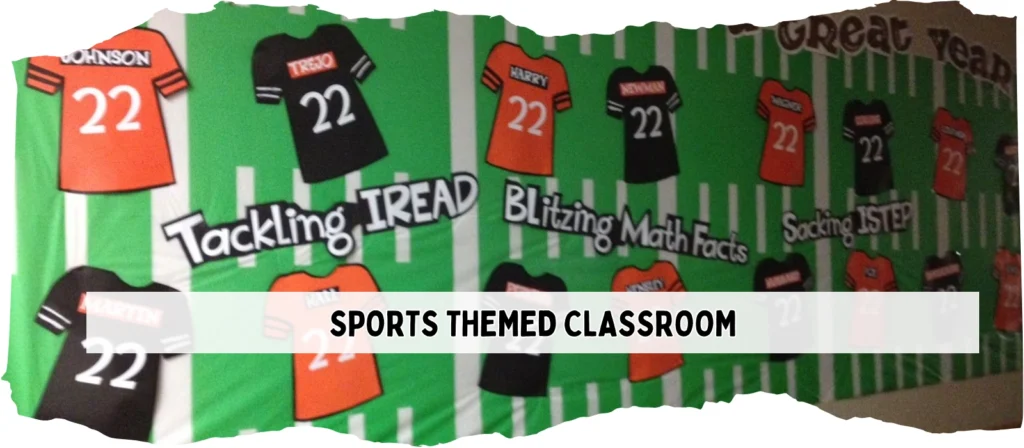
A sports themed classroom is full of energy, teamwork, and motivation—making it one of the most dynamic and goal-oriented classroom themes for elementary and junior high students. It promotes physical activity, discipline, and perseverance, all while creating a fun and inclusive classroom culture.
Design your classroom like a stadium or gymnasium, using wall decals of sports gear, scoreboards, and field lines. Classroom zones can be named “Reading Locker Room,” “Math Court,” and “Teamwork Training Camp.” These names not only reinforce the classroom theme but also set a tone of cooperation and friendly competition.
Choose a bold color scheme—think red, blue, green, and black—paired with patterns like stripes and checkerboards. Decorate with equipment visuals such as basketballs, soccer balls, baseball bats, or tennis rackets to suit students’ interests and seasonal sports.
You can align the sports classroom theme with character education lessons such as fair play, leadership, persistence, and resilience. Incorporate movement breaks, fitness charts, and team-based goals into your classroom routines. Assign classroom jobs like “Coach of the Week,” “Referee,” or “Scorekeeper” to encourage responsibility and class-wide involvement.
Among energetic and achievement-focused classroom themes, the sports themed classroom helps kids set goals, cheer each other on, and learn valuable life lessons—all within a well-structured, spirited space.
27. Travel Theme Classroom
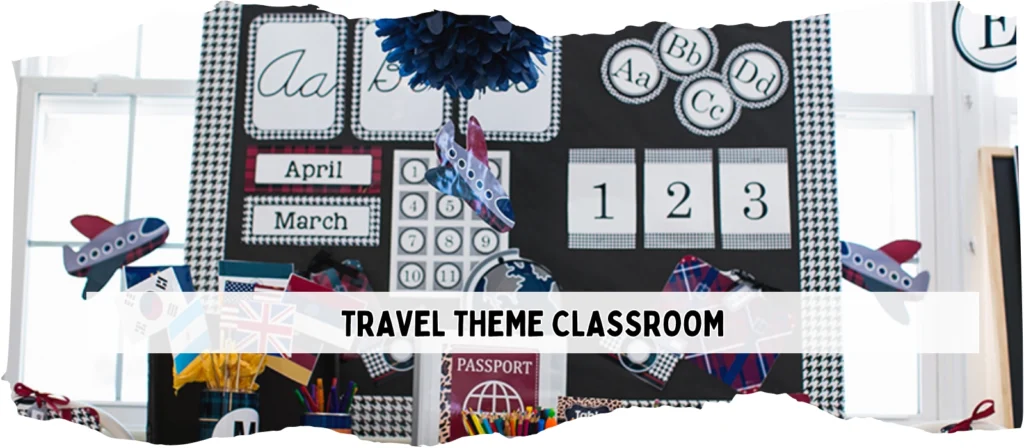
A travel theme classroom opens the world to students without ever leaving their seats. It’s one of the most globally-minded and curiosity-driven classroom themes, perfect for sparking imagination, cultural exploration, and a love for geography. This theme works beautifully across various grade levels, from preschool through junior high.
Design your classroom with décor inspired by famous landmarks, maps, passports, boarding passes, and vintage suitcases. Each zone can be themed by continent or country—such as “Asia Reading Lounge,” “Math in Mexico,” or “Science Safari Stop.” Use string lights to mimic airport runways or hang colorful flags for international flair.
Color palettes often combine sky blue, earth tones, and bright accents like red and yellow to represent global diversity. Bulletin boards may showcase a world map, travel logs, student-written postcards, or cultural celebration schedules. Encourage students to collect stamps, stickers, or badges representing different destinations they “visit” during learning units.
The travel classroom theme lends itself to cross-curricular learning: geography, history, language, music, and even food culture can be integrated into daily lessons. Assign roles like “Tour Guide,” “Navigator,” or “Cultural Ambassador” to give students responsibility within their global classroom experience.
Among adventure-inspired classroom themes, the travel theme classroom is ideal for expanding horizons, celebrating diversity, and making global education a daily adventure.
28. Candyland Themed Classroom
A Candyland themed classroom turns your learning space into a magical, sugar-coated world of imagination and excitement. This whimsical and colorful approach stands out among fun and fantastical classroom themes, especially effective for engaging younger students in preschool and early elementary.
Design the room with oversized candy props, gingerbread paths, lollipop signs, and ice cream bulletin boards. Use vibrant, candy-colored tones like bubblegum pink, mint green, lemon yellow, and cherry red. Rename zones as “Lollipop Literacy Lane,” “Gumdrop Math Mountain,” or “Sweet Science Station” to keep learning areas consistent with the classroom theme.
Incorporate candy-themed rewards, behavior charts shaped like chocolate bars, and interactive displays like a classroom Candyland game board to track progress or goals. Hanging swirls, faux frosting borders, and gumdrop ceiling garlands will enhance the 3D effect and engage student senses.
You can integrate storytelling, counting games, and pattern recognition lessons using the candy visuals, and teach about healthy choices and moderation. Assign themed jobs like “Treat Tracker,” “Gumdrop Greeter,” or “Sweetheart Sweeper” to encourage responsibility with a fun twist.
Among the most colorful and imaginative classroom themes, the Candyland themed classroom encourages playful learning and creates an unforgettable visual and sensory experience that excites students every single day.
29. Retro Classroom Theme
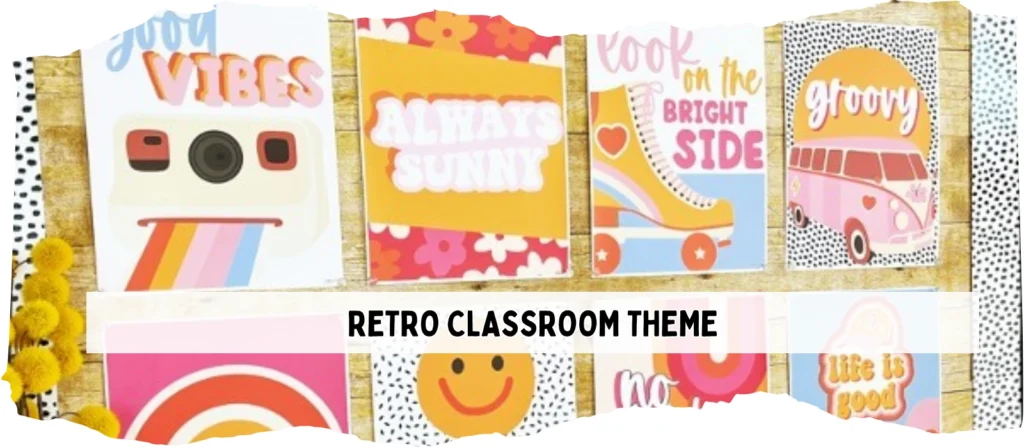
A retro classroom theme brings a blast from the past into your learning environment, making it one of the most nostalgic and stylish classroom themes available. With its bold patterns, classic icons, and vintage flair, it’s perfect for teachers who want to energize their classroom with a fun yet sophisticated vibe.
Decorate using checkerboard floors, neon signs, jukebox cutouts, and record-shaped wall art. Think about referencing the 60s, 70s, or 80s with rainbow stripes, peace signs, boomboxes, and old-school typewriters. Learning zones can include “Groovy Reading Corner,” “Disco Math Station,” or “Retro Research Lab.”
The color palette for a retro classroom theme often includes oranges, teals, mustard yellows, and hot pinks. Complement these with funky fonts and polka dot patterns on bulletin boards. String lights and fringe curtains can help create that vintage, cozy lounge feel.
This classroom theme is also great for connecting historical eras to curriculum—use it as a launchpad for talking about cultural trends, inventions, or how communication and education have evolved over time. Assign fun roles like “Record Keeper,” “Time Travel Guide,” or “Retro DJ” to make student participation interactive.
Among visually striking and era-inspired classroom themes, the retro classroom theme creates a unique aesthetic experience that makes your classroom feel like a time capsule bursting with learning energy.
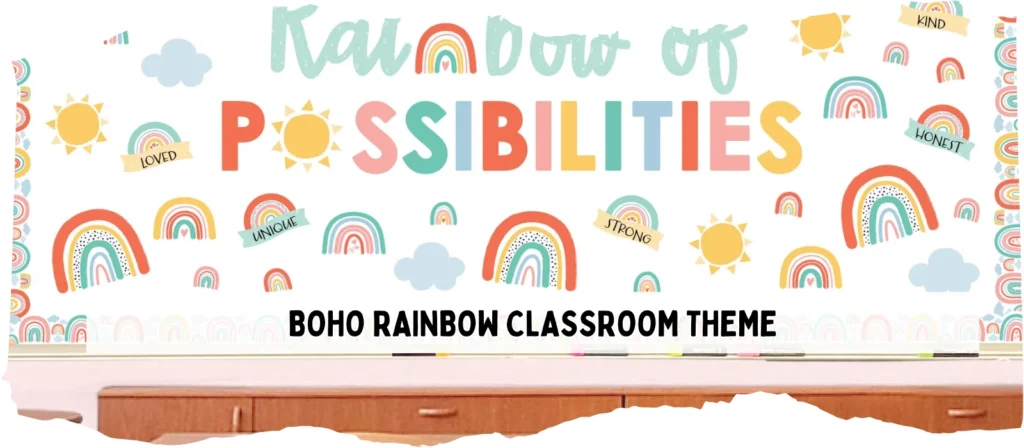
30. Boho Rainbow Classroom Theme
A boho rainbow classroom theme blends free-spirited design with vibrant colors and calming earth tones, making it one of the most balanced and visually stunning classroom themes today. Popular among preschool and elementary teachers, this theme combines playful rainbows with natural textures to promote creativity and tranquility.
Design your room with muted rainbows, hand-drawn patterns, sun and moon symbols, macrame wall hangings, and earthy-colored bunting. Focus on soothing colors like terracotta, sage green, dusty rose, and mustard yellow rather than neon tones. Zones can be renamed “Rainbow Reading Retreat,” “Boho Brain Break Bar,” or “Peaceful Patterns Math Zone.”
Furniture in natural wood tones, rattan textures, or soft linen fabric complements the aesthetic, while plants, woven baskets, and affirmation posters reinforce the holistic tone of this classroom theme. It’s perfect for mindfulness activities, self-expression, and collaborative learning.
Incorporate themes of gratitude, self-awareness, and calm into the curriculum. Use journals, color-by-feeling charts, and morning check-ins. Assign roles like “Energy Balancer,” “Mindful Leader,” or “Harmony Helper” to build a culture of care and emotional intelligence.
As far as wellness-oriented classroom themes go, the boho rainbow classroom theme shines for its ability to uplift moods, reduce stress, and create a safe and beautiful space for young learners to thrive.
How to Bring Classroom Themes to Life in Every Corner
Preschool classroom themes truly come to life when they’re applied thoughtfully across the entire learning environment. From the entrance to reading nooks and even bathroom passes, extending the chosen kindergarten classroom themes beyond decoration creates a cohesive experience that supports learning and classroom management.
Entrance & Welcome Area
Start with your preschool classroom door. Use theme-specific signage, welcome posters, or wreaths that reflect the overall mood—whether it’s a “Welcome to the Jungle” sign for a jungle theme or a starry arch for a space theme. Add a themed student name chart or attendance board near the entrance to set the tone from the very beginning.
Reading Corners & Library Zones
Match the kindergarten classroom themes with reading areas like a “Boho Reading Tent,” “Under the Sea Story Shell,” or a “Retro Reading Diner.” Use thematic pillows, mini canopies, and beanbags to create an inviting and comfortable space where students can immerse themselves in books.
Group Tables & Centers
Assign each group table a theme-specific name, color, or mascot. For instance, in a bee-themed classroom, group tables might be called “Worker Hive 1” or “Buzz Squad.” Label bins and containers using icons that match your overall preschool classroom themes for visual reinforcement.
Bulletin Boards
Use bulletin boards to reflect not only seasonal changes but also key areas of your classroom themes. For example, a garden theme could include a “Growing With Kindness” board, while a space theme might feature a “Blast Off With Math” board tracking learning objectives or goals.
Teacher Desk & Admin Spaces
Infuse your classroom themes into your desk area with matching stationery, planners, and storage units. Even your clipboard, calendar, and computer desktop can subtly mirror the theme to maintain consistency and set a professional, organized tone.
Storage & Supplies
Use themed labels for organizing cubbies, lockers, and student mailboxes. Containers and shelving can be color-coded or decorated to match the preschool classroom themes. Small visual cues like a space shuttle label for glue sticks in a space-themed classroom help kids stay organized.
Behavioral Systems & Charts
Tie classroom rules and expectations into the kindergarten classroom theme. For example, in a camping classroom theme, a “Trail of Good Choices” chart could track positive behaviors. In a crayon theme classroom, each student might move their name on a colorful behavior chart.
Restroom Passes & Transitions
Add a fun touch to transitions with themed hall passes, such as a jungle leaf pass or a rocket ship pass. These small details reinforce classroom themes in practical daily routines.
Ready to see how preschool classroom themes can affect student motivation, personalization, and engagement? Let’s explore how incorporating student work can enhance that even further in the next section.
Letting Preschoolers Shine: Displaying Their Work Through Classroom Themes
In preschool and kindergarten settings, classroom themes become more impactful when children’s own artwork and creations are featured throughout the room. For young learners, visual recognition, emotional connection, and sensory interaction are essential. By integrating their work directly into the preschool classroom themes, we strengthen both their engagement and sense of belonging.
Interactive Art Displays
Create themed walls where students can proudly hang their finger paintings, crayon drawings, and collage crafts. For example, in a jungle theme classroom, display handprint monkeys or paper vines made by the children. In a bee-themed space, showcase paper-plate bees with students’ names.
Theme-Aligned Projects
Introduce simple, hands-on projects that align with your kindergarten classroom themes. In a garden theme, have kids decorate flower cutouts with stickers. For an ocean themed classroom, guide them in coloring sea creatures or gluing tissue paper onto fish outlines. These projects not only reinforce fine motor skills but also connect them directly with the theme.
Mural Building Together
Make collaborative murals a regular classroom activity. Use butcher paper on bulletin boards to create a large forest, outer space scene, or Candyland landscape, then add to it as a class over time. Each child contributes small elements—like animals, stars, or sweets—to bring the preschool classroom themes to life.
Rotating Recognition
Have a rotating “Star of the Week” or “Busy Bee Artist” board where each child gets to display a special piece of work. Tie it into the classroom theme by decorating the frame to match—rocket ship, flowerpot, honeycomb, or rainbow.
Sensory and 3D Displays
Use shelves and wall space for 3D projects: clay bugs, cotton ball clouds, or mini cardboard planets. Preschoolers love texture and tactile feedback, and themed classrooms give their sensory art a place to shine.
With thoughtful display of student work, preschool classroom themes evolve into living environments that celebrate the voices, creativity, and daily accomplishments of our youngest learners.
Choosing the Right Furniture for Your Classroom Theme
When planning preschool or kindergarten classroom themes, the furniture you choose plays a crucial role—not just for aesthetics, but for comfort, safety, and engagement. Well-coordinated furniture helps bring your classroom themes to life in a way that’s both beautiful and functional.
1. Color Coordination by Theme
Each classroom theme often comes with a distinctive color palette. A jungle theme works well with greens and browns; an under the sea classroom theme favors aqua blues and sandy beiges; while a crayon theme classroom allows for rainbow-colored tables and chairs. Matching your furniture color with the theme reinforces visual continuity and makes the environment feel immersive.
2. Safe, Rounded, and Child-Friendly Shapes
For preschool and kindergarten classrooms, all furniture should meet child-safe standards. Rounded corners, anti-slip legs, and sturdy construction are essential. At XIHA Furniture, we design furniture that not only aligns with creative classroom themes but also puts child safety first with formal certifications and testing.
3. Flexible Layout for Thematic Zones
Your preschool classroom themes will often involve learning centers—like reading corners, art stations, and sensory tables. Choose lightweight and stackable furniture so zones can be easily moved or rearranged as themes change throughout the year. Modular shelving and cubbies allow themes like space exploration or camping to evolve without the need for full renovation.
4. Thematic Integration with Natural Materials
Natural wood tones work beautifully with garden, nature, and forest themes. For more vibrant themes like Candyland or sports, brightly colored plastic or laminated surfaces work better. For calming classroom themes, choose soft pastels and earthy textures in seating cushions, floor mats, or table covers.
5. Multifunctional Furniture Enhancing the Theme
Items like themed bookshelves (e.g., rocket ship-shaped shelves in a space theme classroom) or bee-shaped storage bins can add functional charm. Consider using chalkboard tables, magnetic whiteboard surfaces, or desks with built-in sensory trays that match your overall classroom theme.
6. Safety, Certification, and Trust
As an experienced manufacturer and B2B supplier, we at XIHA Furniture understand that choosing the right furniture is more than just visual alignment—it’s about trust, safety, and reliability. All our preschool and kindergarten furniture products meet international safety standards, making them ideal for any classroom theme you want to bring to life.
Conclusion
Classroom themes are more than just decorations—they are powerful tools that shape how children feel, learn, and connect within their environment. For preschool and kindergarten classrooms especially, themed environments inspire imagination, create emotional safety, and promote organization and learning engagement.
Whether you’re designing a forest hideaway, an ocean adventure, or a candy-colored dreamland, choosing the right classroom theme can leave a lasting impression on young learners. And when you pair your themes with safe, beautifully matched furniture—like the certified products we offer at XIHA Furniture—you’re not just decorating a classroom, you’re building a world where children thrive.
Start planning your classroom themes with purpose, creativity, and the trusted support of experts in early education furniture.